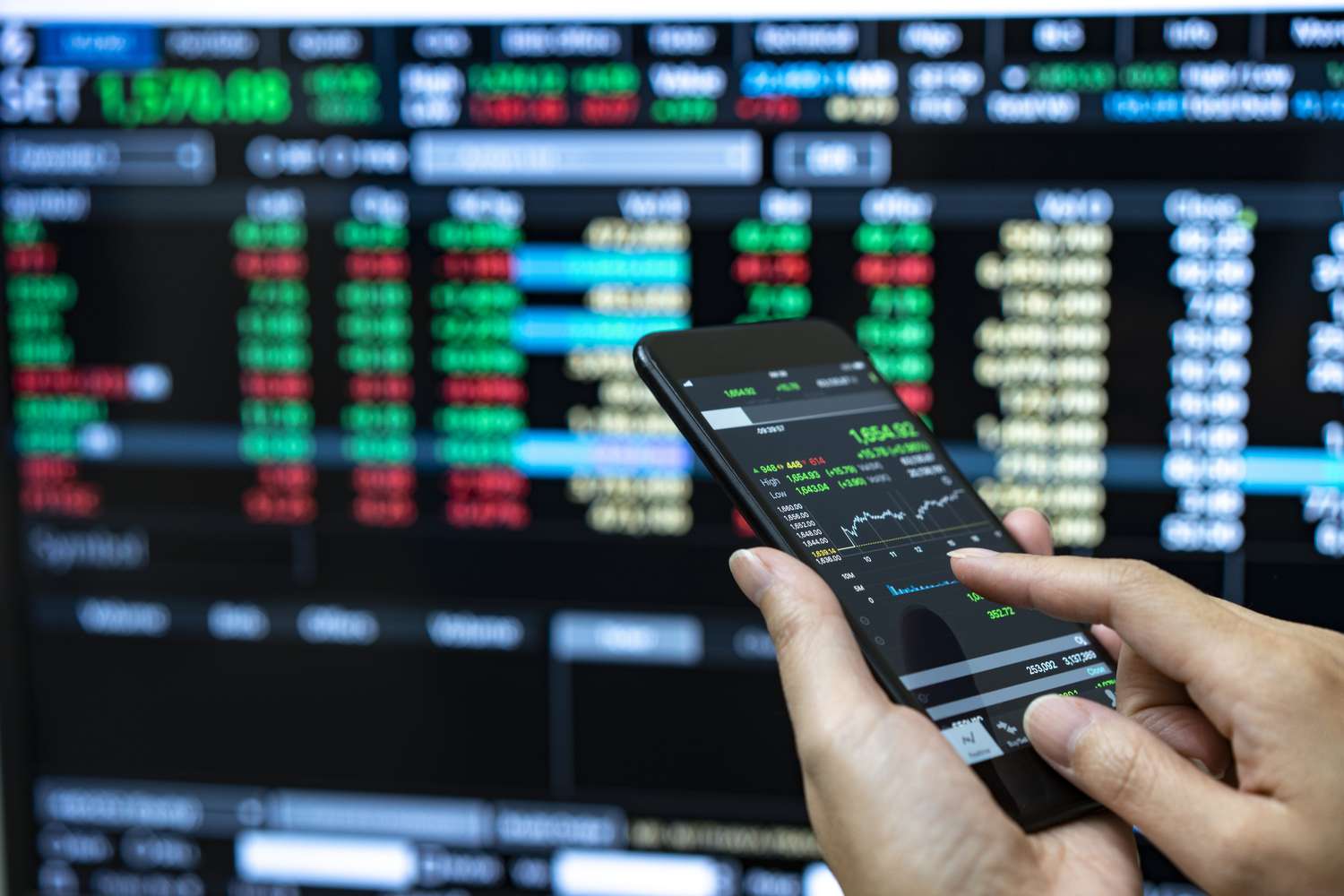
The concept of simplifying forex trading is more accessible than one might imagine. The foreign exchange market is a global platform that, according to various estimates, boasts a turnover nearly thirty times larger than that of the U.S. equity markets—a staggering figure indeed. Forex is the abbreviated term for foreign exchange. For individuals interested in investing in this market, it is essential to grasp the fundamental principles underlying currency trading. Here, we will outline how forex trading can be made easier for beginners.
Foreign exchange involves the buying and selling of currencies in pairs. For instance, one might purchase U.S. dollars while selling British pounds or exchange German marks for Japanese yen. The rationale for these transactions is straightforward: governments and corporations require foreign currency for purchases and payments related to various goods and services. While this trade accounts for approximately 5% of all currency transactions, the remaining 95% are driven by speculation and trading activities. Companies often buy foreign currencies when they are priced lower to safeguard their financial interests. It is also noteworthy that forex rates fluctuate continuously, necessitating that investors and financial managers monitor these rates on a daily basis.
Participants in the forex market recognize that nearly 85% of trading volume comprises just a handful of currencies: the U.S. dollar, Japanese yen, euro, British pound, Swiss franc, Canadian dollar, and Australian dollar. This concentration occurs because these currencies are the most liquid, meaning they can be bought and sold with relative ease. The U.S. dollar, in particular, is widely recognized even in regions such as Afghanistan, Iraq, and Vietnam.
As a truly 24/7 market, currency trading commences in the financial centers of Sydney, Tokyo, London, and New York in that order. Both investors and speculators respond to dynamic market conditions, facilitating simultaneous buying and selling of currencies. Many traders engage in arbitrage—buying in one market and selling in another—to capitalize on price discrepancies and secure profits.
For trading in forex, it is essential to maintain a margin account. For example, if you possess $1,000 and utilize a forex margin account with a leverage ratio of 100:1, you can effectively control $100,000 in currency, as only 1% of that amount is required as margin. Consequently, a margin account provides you with significant purchasing power.
Given the continuous fluctuations in the foreign currency market, it is crucial to understand the variables that influence these changes. This understanding can be achieved through Technical Analysis and Fundamental Analysis. These analytical tools are also prevalent in other financial markets, including equities, stocks, and mutual funds. Technical Analysis involves interpreting, summarizing, and analyzing market-generated data, while Fundamental Analysis examines the economic factors that impact market conditions and, consequently, currency trading. Additionally, unforeseen events—such as the September 11 attacks—can abruptly influence forex trading. Success in the forex market requires sharp analytical skills and a degree of numerical proficiency to navigate effectively.

Categories
Articles
News
Investors Digests
Main Courses
News
Strategies
Indicators
Guides
Workbooks
Glossary
Lessons
A Glossary
B Glossary
C Glossary
D Glossary
E Glossary
F Glossary
G Glossary
H Glossary
I Glossary
J Glossary
K Glossary
L Glossary
M Glossary
N Glossary
O Glossary
P Glossary
Q Glossary
R Glossary
S Glossary
T Glossary
U Glossary
V Glossary
W Glossary
X Glossary
Y GLossary
Z GLossary
Recent posts

Zcash
26 Nov 2024
Zilliqa (ZIL)
26 Nov 2024
Yield Curve
26 Nov 2024